
- 1. Why Overlay a New Roof Over an Existing One?
- 2. Pros and Cons of Overlaying a Roof
- 3. Steps to Successfully Overlay a Roof
- 4. When Should You Call a Roofing Professional?
- 5. Cost Considerations and Benefits
1. Why Overlay a New Roof Over an Existing One?
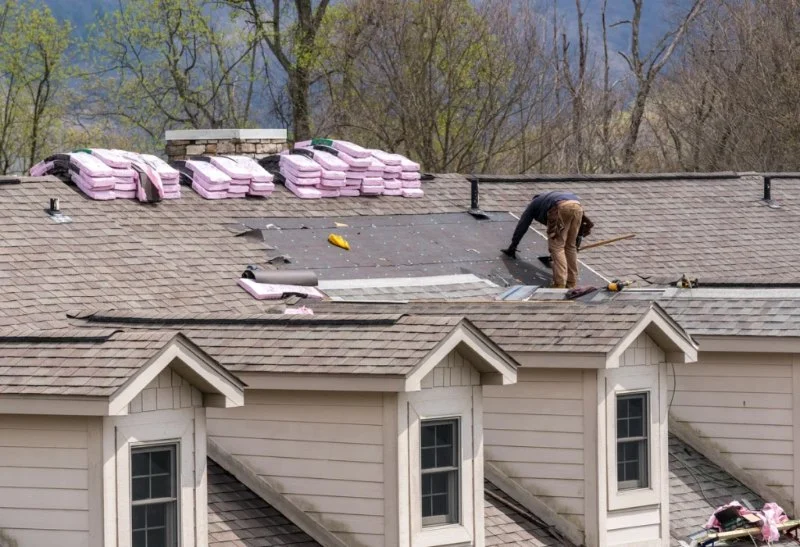
Overlaying a new roof over an existing one, often referred to as a roof "re-cover," is a common practice in the roofing industry. This method involves installing new roofing materials on top of the old ones, without removing the existing layers. But why would homeowners choose this approach? Here are a few reasons:
- Cost-Effective: One of the main reasons people choose to overlay a roof is to save on the cost of a complete roof replacement. By avoiding the labor-intensive removal of the old roof, homeowners can save money on disposal fees and time.
- Less Disruption: Overlaying a roof can be completed more quickly compared to a full roof replacement, minimizing disruption to your daily life.
- Temporary Solution: If the existing roof has minor damage or is nearing the end of its lifespan, overlaying a new roof can provide a temporary solution to extend the life of the roof.
2. Pros and Cons of Overlaying a Roof
While overlaying a new roof over an existing one can have its advantages, it also comes with some potential downsides. Let’s break down the pros and cons:

Pros of Overlaying a Roof
- Lower Initial Costs: Overlaying a roof is typically cheaper than a complete roof replacement because it requires fewer labor hours and no disposal of old roofing materials.
- Speed: The overlay process can be faster, allowing homeowners to get a new roof without the long wait time associated with full replacement.
- Less Waste: Since the old roof remains in place, there is less material to dispose of, making it an environmentally friendlier option.
Cons of Overlaying a Roof
- Limited Lifespan: While overlaying can extend the life of your roof for a few more years, it won’t last as long as a full replacement. The underlying issues with the old roof may still persist.
- Heavier Roof Structure: Adding another layer of roofing materials can make the roof heavier, which may not be ideal for certain structures.
- Not Suitable for All Roof Types: If the existing roof has significant damage, such as leaks or rot, overlaying may not be a viable option, and a complete replacement is needed.
3. Steps to Successfully Overlay a Roof
If you decide to overlay a roof, here’s what you can expect during the process:
SGM Construction Roofing / sgmconstruction.ca
287 Epsom Downs Dr, North York, ON M3M 1T5, Canada
Step 1: Inspect the Existing Roof
Before proceeding, a thorough inspection of the existing roof is crucial. A professional roofing contractor will assess the condition of the roof to determine if an overlay is possible. They will check for structural damage, leaks, and the overall integrity of the old roof.
Step 2: Remove Debris and Prepare the Surface
The old roof needs to be cleaned and any debris, such as leaves or branches, must be removed. If there are any loose shingles, they will be secured or removed. This ensures the new roof layer adheres properly.
Step 3: Install the New Roofing Layer
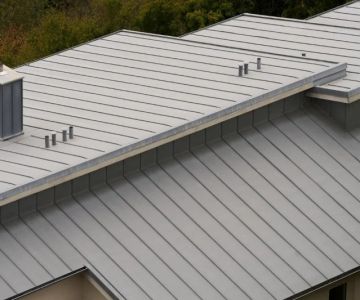
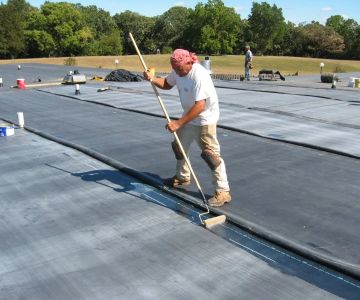
The new roofing materials are then installed over the existing roof. Depending on the material chosen, this could involve laying down shingles, metal sheets, or other types of roofing material. The new layer will be secured in place, and additional waterproofing measures may be taken to ensure durability.
4. When Should You Call a Roofing Professional?
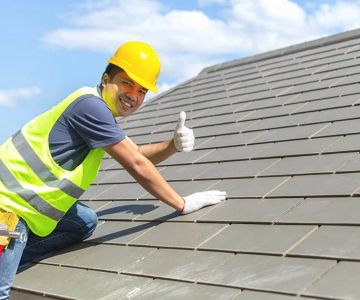
Overlaying a roof is not a DIY project for most homeowners. It’s a complex job that requires experience and knowledge of roofing materials. Here are some signs that it’s time to call a roofing professional:
- Extensive damage to the existing roof: If the existing roof has significant damage, such as leaks, sagging, or structural issues, a full roof replacement may be necessary instead of an overlay.
- Lack of experience: Roofing requires skill to ensure that the new layer is properly installed and secure. It’s important to hire a professional to avoid costly mistakes.
- Code requirements: In some areas, local building codes may require a full roof replacement if certain conditions are met, such as multiple layers of roofing or the roof being too heavy.
5. Cost Considerations and Benefits
When deciding whether to overlay a roof or opt for a full replacement, cost is a major factor. Here’s what to keep in mind:
- Overlaying is less expensive: As mentioned earlier, overlaying costs less than a full replacement, but it’s important to weigh the long-term costs against the benefits.
- Increased home value: While a new roof may not drastically increase your home’s value, it can improve curb appeal and provide peace of mind, which can make the investment worthwhile in the long run.
- Potential need for future repairs: A new overlay may be a temporary solution, so factor in the potential costs of future repairs or a full roof replacement.
If you are considering overlaying a new roof or need help with a roofing project, visit Pickering Roofing for expert advice and services in your area. We provide professional roofing solutions to ensure your home remains safe and secure for years to come.

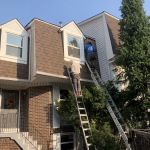
 Dawson Roofing5.0 (5 reviews)
 Roofing Pros of Ontario5.0 (5 reviews)
 Nail To Nail Roofing3.0 (8 reviews)
 Absolute Roof Solutions4.0 (242 reviews)
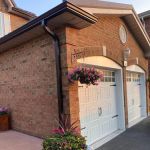 Standard Gutters5.0 (5 reviews)
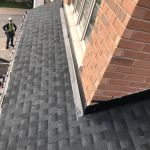 Sparkle Roofing Inc.4.0 (12 reviews)
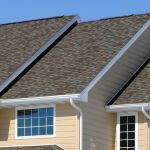 How Much Does a New Roof Cost in 2025? Canadian Roofing Price Guide
 Top Signs Your Roof Has a Leak and What to Do About It in Canada
 Can You Install a New Roof Over an Old One in Canada?
 The Top Questions to Ask Before Hiring a Roofer in Canada
 What Are the Most Common Roofing Scams and How to Avoid Them in Canada
 How to Prepare Your Home for a Roofing Project in Canada