
- 1. Why Roof Inspections Are Important
- 2. Common Storm-Related Roof Damage
- 3. How to Conduct a Roof Inspection
- 4. When to Call Professionals
- 5. Real-Life Case Study
- 6. Roof Maintenance Tips for Storms
- 7. Where to Get Roof Inspections and Repair Services
1. Why Roof Inspections Are Important
Every major storm can cause unseen damage to your roof, even if you don't notice any immediate issues. Inspections after storms are essential for detecting damage early and preventing bigger problems that could lead to expensive repairs. Roofs are exposed to harsh weather conditions such as heavy rain, strong winds, or hail, which can lead to minor or major damage over time. A prompt inspection ensures that you catch potential issues before they escalate into larger, more costly concerns.
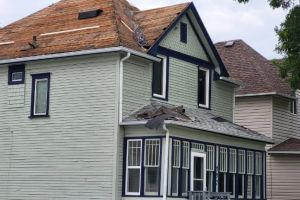
XACT Roof & Renovation Ltd. / xact roofing
227 Regent Ave W, Winnipeg, MB R2C 1R3, Canada
2. Common Storm-Related Roof Damage
After a storm, your roof might have experienced various forms of damage, which are crucial to catch early. Here are some of the most common types of storm-related damage:

GoldHill Roofing / goldhill
526 Welham Rd Unit 1, Barrie, ON L4N 8Z7, Canada
2.1. Missing or Damaged Shingles
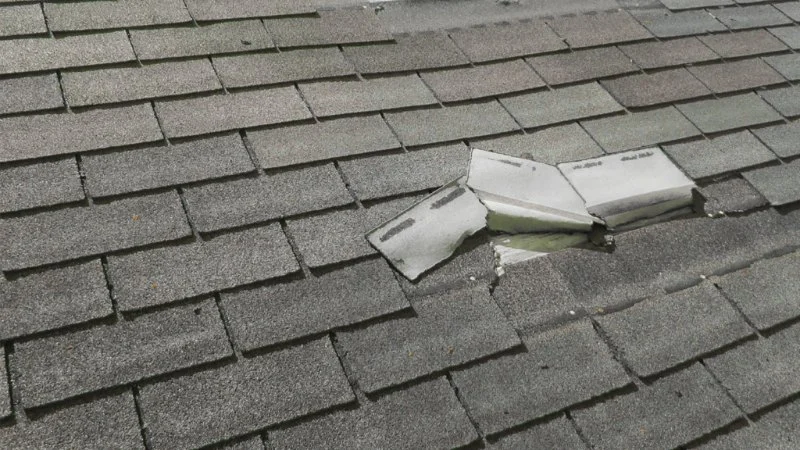
High winds can easily tear off shingles or cause them to curl or break. Missing or damaged shingles can expose the underlying structure to the elements, leading to leaks and further deterioration.
2.2. Water Leaks
Heavy rain or hail can lead to leaks, especially if the roofing material has been compromised. Check for any signs of water stains or damp spots on your ceiling, as this could indicate roof leaks.
2.3. Debris Damage
Falling tree branches or other debris can cause dents or punctures in the roof, leading to structural damage. Inspect for any sharp objects or heavy debris that may have caused visible or hidden damage.
3. How to Conduct a Roof Inspection
Inspecting your roof after a storm can be a straightforward process if you know what to look for. Here's how you can perform a basic roof inspection:
3.1. Check for Visible Damage
Start by looking for missing shingles or tiles, curling, or cracked shingles. Also, check for any visible holes or dents caused by falling debris. Inspect the gutters and downspouts as well, as blockages or damage here can indicate roof problems.
3.2. Look for Water Stains
Inside your home, inspect your attic and ceilings for water stains or discoloration. These could be signs of roof leaks that need immediate attention.
3.3. Inspect Flashing and Seals
The flashing around vents, chimneys, and skylights is particularly vulnerable during storms. Check for damaged or loose flashing, as these areas are prime spots for leaks to occur.
4. When to Call Professionals
While inspecting your roof yourself is important, there are times when you should call a professional roofer:
4.1. If You Notice Significant Damage
If you discover large areas of missing shingles, cracked roofing materials, or structural damage, it's time to call in a roofing expert. They can assess the damage in detail and provide recommendations for repairs.
4.2. If You’re Uncomfortable with Heights
Climbing onto your roof can be dangerous, especially after a storm. If you're uncomfortable or unsure about safety, a professional roofer has the expertise to inspect your roof safely and thoroughly.
4.3. If You Suspect Hidden Damage
Sometimes the damage isn't visible from the ground or inside your home. A professional can conduct a more in-depth inspection using specialized tools to check for hidden leaks or weakened structures.
5. Real-Life Case Study
In 2020, a severe storm in Ontario caused significant wind and hail damage to many homes. One homeowner, Sarah, didn't notice the small damage to her roof after the storm and assumed everything was fine. However, months later, water began leaking into her living room. A professional roofer discovered that the shingles had been lifted during the storm, allowing water to seep in unnoticed. Sarah had to pay for a full roof replacement due to the long-term damage. If she had inspected her roof immediately after the storm, she could have avoided the expensive repair costs.
6. Roof Maintenance Tips for Storms
To prevent storm damage from affecting your roof, regular maintenance is essential:
6.1. Trim Trees Around Your Home
Keep trees and branches trimmed to prevent them from falling onto your roof during a storm. This simple measure can significantly reduce the risk of damage.
6.2. Clean Gutters Regularly
Clogged gutters can lead to water backup, which can damage your roof. Clean your gutters regularly to ensure proper drainage, especially before a storm.
6.3. Apply Roof Coatings
Consider applying roof coatings or sealants to your roof to enhance its durability and protect it from the elements. These coatings can provide an extra layer of protection against rain and wind.
7. Where to Get Roof Inspections and Repair Services
If you're in need of professional roof inspections or repairs, consider visiting Pro Found Roofing. They offer expert services to assess and repair your roof after a storm. With their experience, you can trust that your roof is in safe hands.


 Innovation Roofing ltd5.0 (11 reviews)
 Roy Dennis Roofing4.0 (42 reviews)
 Awash Roofing4.0 (4 reviews)
 Best Quality Roofing Works Inc5.0 (4 reviews)
 Mr. Roofing & Siding5.0 (7 reviews)
 H&R Roofing3.0 (7 reviews)
 How Much Does a New Roof Cost in 2025? Canadian Roofing Price Guide
 Top Signs Your Roof Has a Leak and What to Do About It in Canada
 Can You Install a New Roof Over an Old One in Canada?
 The Top Questions to Ask Before Hiring a Roofer in Canada
 What Are the Most Common Roofing Scams and How to Avoid Them in Canada
 How to Prepare Your Home for a Roofing Project in Canada