
How to Protect Landscaping Before Roofing Work Begins
On this page
Quick answer
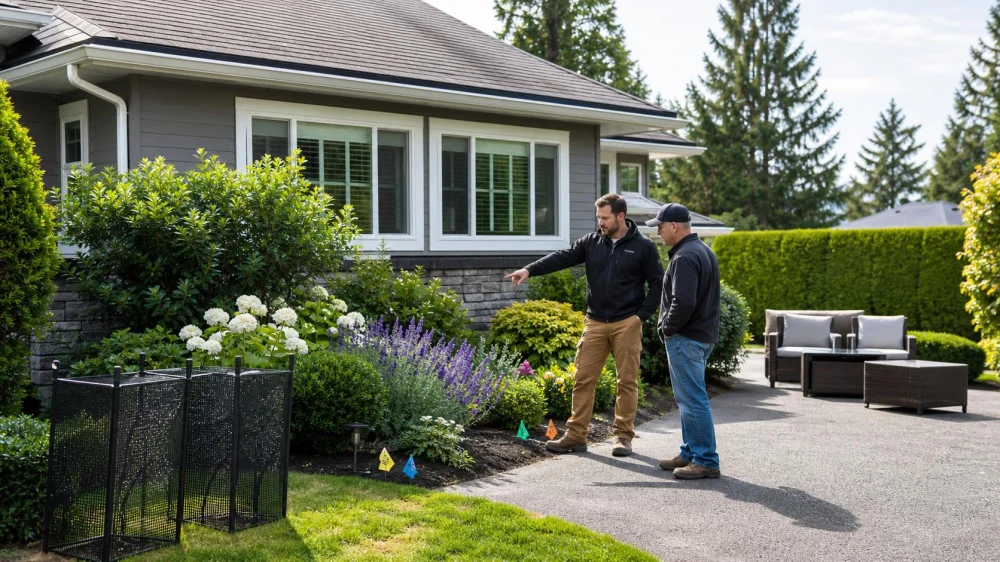
Before roofing starts, walk the property with the contractor and identify debris drop zones, vehicle routes, material staging, ladder positions, gardens, irrigation, lighting, air-conditioning equipment, and neighbour boundaries. Move furniture, pots, toys, hoses, and fragile ornaments yourself. Let the contractor choose protective systems near falling debris, keep children and pets inside or away, and photograph the property before work.
This guide is for Canadian homeowners preparing for roofing work. Contractor methods, property layouts, weather, and municipal requirements vary. The roofing contractor must control its work site and safety plan.
Stokes Roofing / stokes roofing
PeterboroughPeterborough CountyOntario
641 Bellaire St, Peterborough, ON K9J 3Y5, Canada
Review the contractor's site plan
Ask where waste containers, delivery trucks, lifts, ladders, materials, and worker access will go. Confirm which roof edges will be active each day and where old material may come down.
Discuss fences, shared drives, overhead wires, septic areas, soft ground, slopes, and limited street access. Do not direct workers into a location the contractor considers unsafe.

Lansard Bros Roofing Ltd / lansard roofing
50 Don Valley Pkwy, Sunnyside, MB R5R 0C9, Canada
Move vulnerable items
Relocate patio furniture, grills, umbrellas, planters, toys, sports equipment, decorations, bird feeders, vehicles, and portable lights beyond the contractor's stated zone. Unlock only the gates workers need and secure the rest.
Take down fragile wall items inside the home if vibration could affect them. Close windows and protect attic or garage belongings according to contractor guidance.
Protect plants without trapping heat
Show the contractor valued shrubs, young trees, vegetable beds, and fragile branches. Temporary shields may redirect debris, but coverings can crush plants, block airflow, or create heat stress.
Do not drape plastic over plants for long periods or attach covers to contractor equipment. Agree who installs, checks, and removes protection each day. Watering timing should not create mud or slippery access.
Mark irrigation and equipment
Mark sprinkler heads, shallow lines, landscape wiring, drainage features, and invisible hazards using the contractor's preferred method. Turn irrigation off when requested and document its condition.
Air-conditioning condensers, heat pumps, vents, meters, and exterior outlets need appropriate clearance and protection. Do not cover operating equipment or alter utilities yourself. Coordinate with the roofer and relevant service professional.
Control access and inspect afterward
Keep children, pets, visitors, and neighbours out of the work zone. Falling nails and debris can travel beyond the immediate wall line. Use the contractor's contact rather than entering the site to ask questions.
After the contractor declares the area safe, inspect landscaping, driveways, siding, windows, and equipment together. Ask about magnetic nail collection and understand that it may not find every fastener. Wear suitable footwear and supervise outdoor play until cleanup is confirmed.
Pre-roofing checklist
- Photograph landscaping and exterior equipment.
- Confirm access, staging, ladders, and debris zones.
- Move vehicles, furniture, pots, toys, and ornaments.
- Identify fragile plants and irrigation components.
- Coordinate protection for HVAC and utilities.
- Adjust watering to avoid mud and slips.
- Keep people and pets outside the work zone.
- Complete a joint cleanup and condition review.
Limitations and important notes
- Never climb onto the roof or move contractor barriers.
- Tarps and boards can damage plants if installed incorrectly.
- Weather may change the protection and schedule.
- Heritage trees, shared property, and public sidewalks may require extra approvals.
- Insurance and contract questions should be resolved in writing before work.
Frequently asked questions
Should I cover shrubs myself?
Coordinate first. The contractor needs to control drop zones, and an unsuitable cover can damage plants or workers.
Do I need to move my car?
Usually yes when it is near delivery, debris, or worker routes. Follow the contractor's distance and timing.
What about an outdoor air conditioner?
Do not block airflow or operate it under an unsafe cover. Coordinate a suitable plan with the roofer and equipment professional.
Will a magnetic sweep find every nail?
No. It is useful but not perfect, and some fasteners are not strongly magnetic. Careful visual cleanup also matters.
Can pets use the yard after workers leave?
Wait until the contractor confirms daily cleanup and the area is inspected. Store pets away from materials and barriers.
Sources and evidence notes
The plan reflects common roofing site protection: define access and drop zones, remove valuables, coordinate plant and equipment protection, restrict occupants, and document cleanup. The contractor's safety and site plan controls the work.
Walk the drop zone together
Before materials arrive, walk every side of the house with the contractor. Point out plants, irrigation, utilities, equipment, shared boundaries, and fragile surfaces. Photograph them, move portable items, and write down who provides each protective measure and when it will be removed.


 A+ Roofing Canada5.0 (4 reviews)
 Alborz Roofing Inc.4.0 (15 reviews)
 Best Roofer & Renovation5.0 (1 reviews)
 Roy Dennis Roofing4.0 (42 reviews)
 Morin Insulation & Roofing Ltd4.0 (26 reviews)
 FORLIFE NICA ROOFING (FLAT ROOFING COMPANY)4.0 (38 reviews)
 How Much Does a New Roof Cost in 2025? Canadian Roofing Price Guide
 Top Signs Your Roof Has a Leak and What to Do About It in Canada
 Can You Install a New Roof Over an Old One in Canada?
 The Top Questions to Ask Before Hiring a Roofer in Canada
 What Are the Most Common Roofing Scams and How to Avoid Them in Canada
 How to Prepare Your Home for a Roofing Project in Canada