
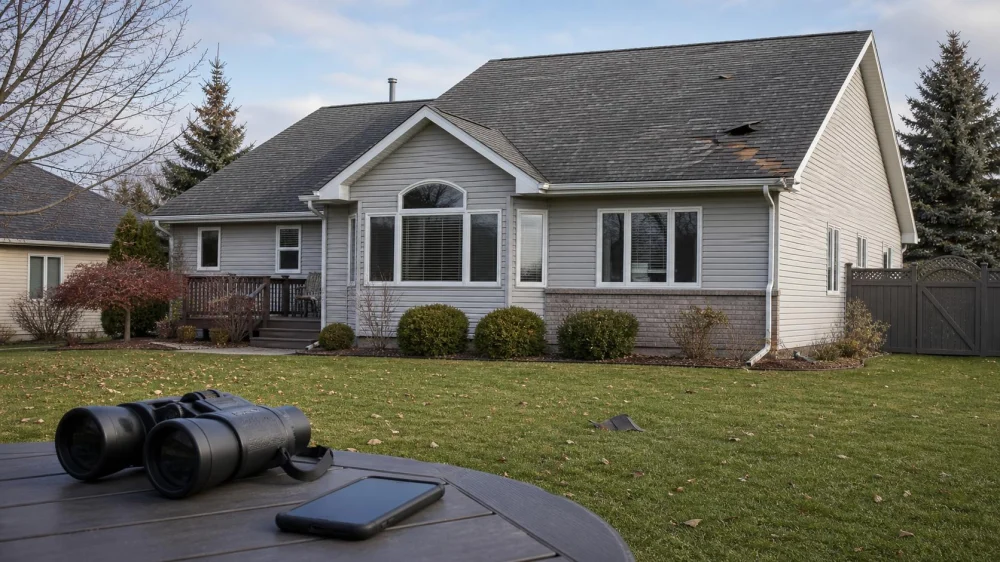
Roof Damage After Strong Wind: Ground-Level Checks in Canada
On this page
Quick answer
After strong wind, stay off the roof and begin with hazards at ground level. Keep away from downed wires, unstable trees, loose siding, hanging gutters, broken glass, and debris that could still fall. From a safe distance, photograph visible changes to shingles, flashing, vents, eaves, gutters, and nearby property. Then check ceilings and attic access areas for new moisture without entering an unsafe space. Contact emergency services, the utility, insurer, and a qualified roofing contractor as the situation requires.
A roof can be damaged even when missing shingles are not obvious. A professional assessment may be needed after severe weather or when water, structural movement, or falling material is present.

CentiMark Ltd. / centimark corporation
740 Huronia Rd Unit 9, Barrie, ON L4N 6C6, Canada
Check immediate hazards first
- Treat every downed or low wire as energized and keep far away.
- Do not stand beneath branches, damaged chimneys, loose fascia, or hanging gutters.
- Keep children and pets inside or behind a safe barrier.
- Do not move large debris that may be supporting or entangled with a structure.
- Leave the building and call for help if there is fire, gas odour, major structural movement, or another immediate danger.
Wait for severe weather to pass. Strong gusts, lightning, hail, darkness, ice, and wet surfaces make even a ground inspection unsafe.
Flat Roofs Toronto / flat roof repair toronto
1420 Dupont St, Toronto, ON M6H 0C2, Canada
Observe from the ground
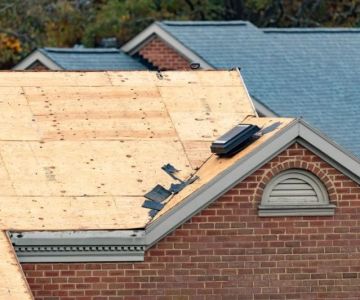
Walk only on clear, stable surfaces and use binoculars or a camera zoom. Compare the roof with earlier photos if available. Look for changed shingle edges, bare-looking patches, displaced ridge or hip pieces, bent metal, missing vent caps, damaged soffit, and gutters pulled away from the fascia.
Check the yard for roofing fragments, but do not assume every piece came from your home. Photograph it where found before moving small debris, and wear gloves if handling sharp material is safe.
Check the interior
Look for new ceiling stains, dripping, bubbling paint, damp odour, or water near windows and exterior walls. From a stable attic hatch, check for daylight, wet insulation, or active entry without walking on ceiling drywall. Keep away from wet electrical fixtures and call a qualified electrician when water is near wiring or equipment.
Use containers and protective coverings only where doing so is safe. Do not puncture a bulging ceiling; the area may hold water and weakened material.
Create a useful record
- Note the date and approximate time of the storm and observations.
- Take wide property photos before close views.
- Capture each affected elevation from a safe public or private position.
- Photograph interior moisture and any fallen fragments.
- Save weather alerts, receipts, and communication with contractors or insurers.
- Avoid permanent repair or disposal until responsible parties advise, unless immediate safety requires action.
Arrange professional assessment
Describe what you observed and ask whether the contractor provides documented storm inspections, emergency stabilization, and written scopes. Verify current licensing or local qualifications, insurance, and workplace coverage appropriate to your province and project. Do not pay an unverified door-to-door seller solely because they say nearby homes are damaged.
Ask the contractor to distinguish urgent stabilization from permanent repair and to photograph areas you cannot see. Coordinate with the insurer before committing to non-emergency work when a claim may apply.
Important limitations
This is general Canadian homeowner information, not engineering, insurance, legal, or emergency advice. Provincial requirements, policy terms, contractor rules, utilities, and storm conditions vary. Follow official warnings and instructions from emergency services, utilities, insurers, and qualified professionals.
Evidence notes
The process follows a risk-first inspection sequence: isolate life-safety hazards, observe without exposure to falls, document changes, check for secondary interior effects, and escalate to qualified assessment. Photos support communication but cannot reveal concealed damage or prove cause.
FAQ
Should I climb up for better photos?
No. Use ground-level views and let trained, properly equipped professionals inspect the roof.
What if I find a shingle in the yard?
Photograph it and compare materials, but let a roofer confirm its source and significance.
Can I install a tarp?
Roof tarping involves serious fall and wind hazards. Arrange qualified emergency stabilization.
Should I call the insurer or roofer first?
Address immediate safety first, then review the policy's reporting requirements and contact both as appropriate.
What if no leak is visible?
Monitor safely and consider professional inspection when the storm was severe or exterior changes are visible.
Next steps
Wait for safe conditions, isolate hazards, take ground-level and interior photos, notify the appropriate utility or emergency service when needed, and schedule a documented assessment with a verified roofing contractor.

 South Simcoe Roofing4.0 (8 reviews)
 RoofLife Roofing Company4.0 (55 reviews)
 Clover Roofing & Sheetmetal Inc5.0 (11 reviews)
 D.C United Roofing4.0 (149 reviews)
 Toiture Ultratoit Inc3.0 (14 reviews)
 Toitures XLS Québec4.0 (16 reviews)
 How Much Does a New Roof Cost in 2025? Canadian Roofing Price Guide
 Top Signs Your Roof Has a Leak and What to Do About It in Canada
 Can You Install a New Roof Over an Old One in Canada?
 The Top Questions to Ask Before Hiring a Roofer in Canada
 What Are the Most Common Roofing Scams and How to Avoid Them in Canada
 How to Prepare Your Home for a Roofing Project in Canada