

Roof Deck Damage: Use a Written Change Order Before Repairs
Quick answer: Before tear-off, put an allowance or unit price for hidden sheathing and structural damage in the roofing contract. If damage appears, stop that area, request dated photos and measurements, ask whether the scope affects permits or engineering, and approve a signed change order that states material, quantity, price, schedule, warranty, and who authorizes more work. Do not rely on a hurried verbal total.
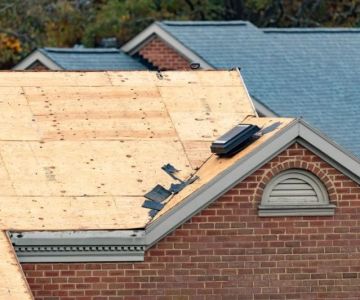
Rotten, delaminated, mould-damaged, or inadequately fastened roof decking may only become visible after old roofing is removed. The repair may be necessary, but the discovery should trigger a documented decision process.
1. Prepare the Original Contract
Before work, define the roof covering, underlayment, flashings, ventilation, tear-off layers, disposal, deck condition expected, and what counts as extra work. State a unit price for common deck replacement—such as per full sheet or per square foot—plus labour, disposal, tax, and any minimum charge.
Set an approval threshold: for example, the contractor may replace no hidden material beyond a stated emergency limit without the owner’s written authorization. Ontario guidance says home-renovation contracts over $50 must be in writing and recommends itemized products, services, prices, schedule, payment, cleanup, and sub-trade terms.

Toiture TNT / Gatineau Outaouais / avis sur toiture tnt / gatineau outaouais
1700 Rue Schryer, Gatineau, QC J8R 1S2, Canada
2. Ask for Useful Evidence
Request wide photos that show the roof location and close photos that show the defect, with date and orientation. Ask for the number and dimensions of affected sheets or boards, the approximate area, and whether the damage is isolated or continues under unremoved roofing.
Do not climb onto the roof to inspect. A video call, marked roof plan, or ground-level review of removed material may help. Photos support a decision but do not replace a qualified structural or moisture assessment when the condition is complex.

Flynn Canada Ltd. - Toronto / flynn mississauga
MississaugaRegional Municipality of PeelOntario
6435 Northwest Dr, Mississauga, ON L4V 1X1, Canada
3. Define What Must Be Replaced
Ask whether the issue is surface staining, loss of fastener holding, delamination, decay, holes, unsupported edges, noncompliant thickness, damaged planks, or affected framing. Identify the proposed replacement material, thickness, grade, panel orientation, edge support, fastening, gaps, and connection to sound existing deck.
“Replace bad wood” is not a measurable scope. Define how the boundary between sound and unsound material will be determined and what happens if damage continues after the first area is opened.
4. Separate Damage From Its Cause
Deck replacement alone may not fix the water source. Ask whether the pattern suggests failed flashing, condensation, inadequate ventilation, an old leak, ice-dam history, plumbing or exhaust discharge, skylight trouble, or another cause. The roofer should document what is observed without claiming expertise outside the trade.
Bring in the appropriate professional when needed—such as a structural engineer, building official, HVAC contractor, electrician, plumber, or mould assessor. Coordinate the corrective work before new materials hide the evidence.
5. Recheck Permits and Design Needs
A like-for-like roof-covering replacement may have begun without a permit, but hidden structural repair or material alteration can change the classification. Contact the municipality with the discovered condition and proposed repair. Ask whether a permit, revision, inspection, engineer detail, or other approval is required before work continues.
Keep the City response with the change order. Do not let weather pressure turn a permit question into an undocumented assumption; arrange temporary protection while the answer is obtained.
6. Build a Transparent Price
Use the pre-agreed unit price when the discovered work matches it. Otherwise request material quantity, labour, equipment, disposal, sub-trade, permit or engineering fee, tax, overhead, and schedule effect. Clarify whether unused allowance is credited and whether the price is fixed, estimated, or time-and-materials with a cap.
Ontario consumer guidance says that when an estimate forms part of the contract, the final price generally cannot exceed it by more than 10% unless the customer agrees to new work or a new price and signs a contract change. That does not make hidden work free; it makes written approval important.
7. Write the Change Order
The change order should identify the original contract, date, property, exact added and removed work, materials, quantities or pricing formula, total price including tax, revised payment milestones, added days, permit responsibility, inspection, warranty effect, and cleanup.
State what is not included and who can authorize a second expansion. Both parties should sign before non-emergency extra work proceeds. A text saying “go ahead” may not capture scope, price, or schedule; use the contractor’s formal document or a clear written amendment.
8. Protect the Open Roof
Ask the contractor to explain the weather plan before tear-off: daily work limits, temporary dry-in materials, forecast triggers, interior protection, and after-hours contact. If a decision is pending, the open area should be made weather-resistant using a professional method compatible with the eventual repair.
Do not go onto the roof to place a tarp. Record any interior water entry promptly, move belongings safely, and report electrical or ceiling hazards. Temporary protection is not permission to delay necessary structural or moisture work indefinitely.
9. Verify Work Before Covering
Request photos after damaged material is removed and after replacement is installed but before underlayment covers it. Confirm the documented quantity matches the change order, required inspections occurred, edges are supported as designed, and the cause-related repair was addressed.
For structural work, rely on the building official, engineer, or qualified professional specified by the permit or design—not a homeowner’s photo interpretation. Document any additional discovery with another change order instead of editing quantities after the fact.
10. Close Out the Change
Collect the signed change order, invoices, material records, permit or inspection status, engineer documents, before-and-after photos, warranties, and evidence of disposal. Make sure the final invoice separates original contract work, approved changes, credits, tax, and payments already made.
Ask how the repair affects workmanship and material warranties and whether maintenance or monitoring changes. Keep the location map for future solar, skylight, leak, insurance, or resale questions.
Change-order checklist: prepriced allowance; photos and measurements; defect type; proposed material and method; underlying cause; permit or engineering check; itemized price; schedule effect; signed authorization; weather protection; before-cover verification; and final records.
Evidence notes: Ontario’s home-renovation consumer guidance explains written-contract requirements, the estimate rule, and signed changes for new work. The province’s roofing-business guide tells contractors to document mid-project scope changes and their effects on price and schedule.
This article is general consumer information, not legal, engineering, mould, or building-code advice. Obtain municipality and professional guidance for the actual condition and contract.



 C.R.PRO0.0 (0 reviews)
 Roofing for Less4.0 (30 reviews)
 Toitures Cossette4.0 (56 reviews)
 Bains Roofing4.0 (152 reviews)
 Toiture Fleur de Lys4.0 (10 reviews)
 5 Star Roofing4.0 (45 reviews)
 How Much Does a New Roof Cost in 2025? Canadian Roofing Price Guide
 Top Signs Your Roof Has a Leak and What to Do About It in Canada
 Can You Install a New Roof Over an Old One in Canada?
 The Top Questions to Ask Before Hiring a Roofer in Canada
 What Are the Most Common Roofing Scams and How to Avoid Them in Canada
 How to Prepare Your Home for a Roofing Project in Canada