
Roofing Neighbour Plan: Shared Access, Noise, and Debris
On this page
Quick answer
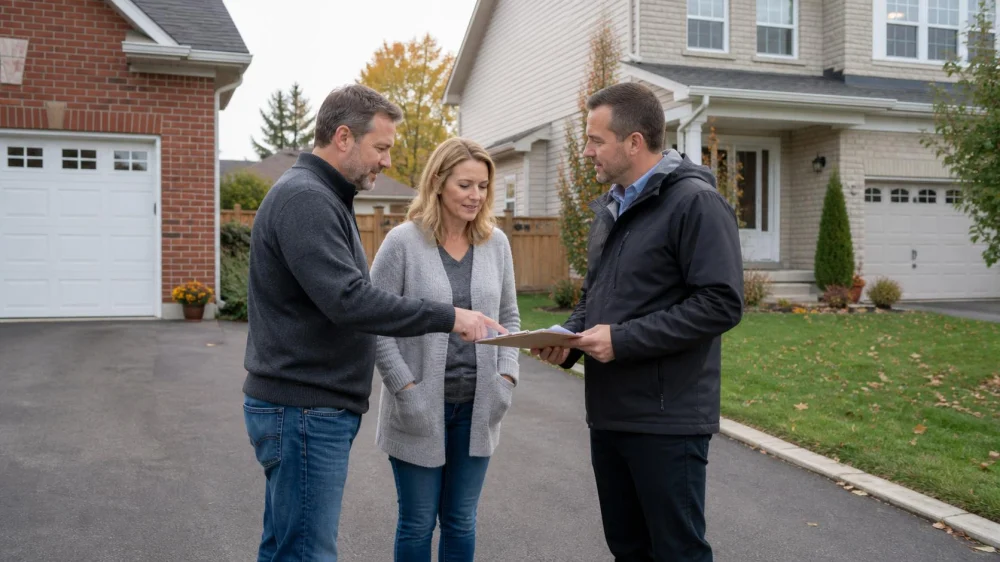
Before roofing begins, tell nearby neighbours the expected dates, work hours, delivery and bin locations, noise, shared-driveway effects, and contractor contact. Photograph property boundaries and existing conditions from the ground. Obtain required permission before workers, equipment, protection, or debris containers enter another property. Keep emergency access open, protect vehicles and pets, and define daily cleanup plus a process for damage or schedule changes.
Vancouver Moss Removal / moss removal near me
VancouverMetro VancouverBritish Columbia
1615 Frances St #105, Vancouver, BC V5L 1Z3, Canada
Notify with useful details
A roofing neighbour plan coordinates the temporary effects of roof work on people and property beyond the project address. Notice should be practical, not a promise that weather cannot alter the dates.
Share the anticipated start, duration, daily hours, loud phases, delivery and waste-container times, parking restrictions, and one project contact. Update neighbours when weather, concealed damage, or permit inspection materially changes the schedule.
Roof Doctor / roof doctors
KelownaCentral OkanaganBritish Columbia
715 Evans Ct, Kelowna, BC V1X 6G4, Canada
Shared access and boundaries
Identify shared driveways, narrow side yards, fences, gates, easements, overhead wires, trees, parking, and attached structures. The contractor should explain where ladders, scaffolds, lifts, chutes, tarps, and workers need space.
Do not assume a crew may enter a neighbour's land. Obtain the property owner's documented permission and clarify dates, area, protection, restoration, and insurance before access. Boundary and legal questions need current Ontario and local qualified guidance.
Falling debris and cleanup
Ask how the contractor controls shingles, nails, flashing, dust, and packaging near property lines. Move vehicles, furniture, toys, planters, and fragile objects from the agreed zone. Close nearby windows and keep people away from active drop areas.
Define ground protection, magnetic nail collection where appropriate, gutter and shared-driveway cleanup, final inspection, and reporting. A magnet does not find every fastener; visual inspection and controlled tear-off still matter.
Noise, pets, and schedules
Roof removal and fastening can disturb sleep, remote work, infants, pets, and people sensitive to sound or vibration. Give the best available schedule and identify quieter breaks, but do not ask crews to compromise safety or required work.
Neighbours should keep pets indoors or securely controlled and avoid the work zone. Coordinate deliveries, waste pickup, and school or care access so a shared route is not unexpectedly blocked.
Neighbour checklist
- Dates, hours, contact, and likely changes shared.
- Boundaries and existing conditions photographed safely.
- Written permission obtained for any outside access.
- Parking, deliveries, bins, and emergency route agreed.
- Vehicles, pets, windows, and loose items protected.
- Daily debris and final cleanup process defined.
- Damage and complaint contact documented.
Limitations and notes
This guide is not legal advice and cannot determine property rights, easements, liability, or municipal rules. Use current Pickering bylaws, permits, contracts, insurer information, and qualified advice. Never inspect a neighbour's roof or active work zone yourself.
FAQ
How much notice should neighbours receive?
As early as practical after the schedule is credible, with updates for material changes.
Can roofers use a neighbour's driveway?
Only with appropriate permission and a defined protection and restoration plan.
Who handles a damage concern?
Use the named contractor and owner contact, document facts, and follow contract and insurance processes.
Can work continue during a complaint?
Immediate safety and property risks need prompt response; other disputes should follow the documented process.
Evidence notes
This guide reflects common construction coordination: early notice, boundary documentation, permission for access, debris control, route management, daily cleanup, and named contacts. It does not guarantee that disruption or damage will not occur.
Next steps
Walk the property line with the contractor from safe ground, mark shared constraints, and send neighbours a one-page notice with dates, access effects, protection steps, and contacts.




 Accell Roofing Inc4.0 (57 reviews)
 Outstanding roofing4.0 (69 reviews)
 Boucher’s Roofing5.0 (4 reviews)
 Kion Construction5.0 (6 reviews)
 Toitures Montcalm5.0 (1 reviews)
 Roof Pro Plus Home Improvements3.0 (7 reviews)
 How Much Does a New Roof Cost in 2025? Canadian Roofing Price Guide
 Top Signs Your Roof Has a Leak and What to Do About It in Canada
 Can You Install a New Roof Over an Old One in Canada?
 The Top Questions to Ask Before Hiring a Roofer in Canada
 What Are the Most Common Roofing Scams and How to Avoid Them in Canada
 How to Prepare Your Home for a Roofing Project in Canada