

Roofing Payment Schedule: Put Each Milestone in Writing
On this page
- Start with a complete contract
- Understand the initial payment
- Tie progress payments to verifiable work
- Separate allowances and change orders
- Confirm tax and payment details
- Protect every payment record
- Handle weather and material delays
- Review the final payment package
- Pause when something does not match
- Avoid payment pressure and fraud
- Roofing payment checklist
A roofing payment schedule should explain more than a deposit and a final balance. It should connect each amount to a clear stage of the project, identify what documentation is provided, and show how changes affect the total. When the schedule is vague, homeowners and contractors can have different ideas about when money is due.
Put the agreement in writing before work starts and review it with the selected contractor. Requirements and consumer protections can depend on the contract, property, financing, and jurisdiction, so obtain qualified Ontario legal or financial advice for questions about your specific rights or obligations.
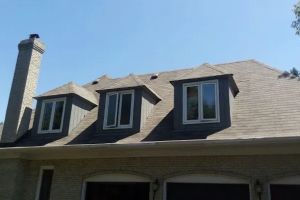
SGM Construction Roofing / sgmconstruction.ca
287 Epsom Downs Dr, North York, ON M3M 1T5, Canada
Start with a complete contract
The payment table depends on a complete scope. The contract should identify the property, parties, contractor contact information, roof areas, materials and products, removal, deck repairs or allowances, ventilation, flashing, disposal, permits where applicable, start expectations, warranty documents, and total price.
Make sure the payment amounts add up to the stated contract total. Identify whether taxes are included and how financed amounts, rebates, insurance payments, or owner-purchased materials appear. Blank spaces and verbal side agreements create avoidable uncertainty; revise the written document instead.

CentiMark Ltd. / centimark corporation
740 Huronia Rd Unit 9, Barrie, ON L4N 6C6, Canada
Understand the initial payment
Ask what the initial payment covers, when it becomes non-refundable if at all, and what happens if the project is postponed or cancelled. It may relate to scheduling, permits, custom materials, supplier commitments, or mobilization. The explanation should appear in the contract rather than existing only in a sales conversation.
Compare the requested amount with the work and commitments at that stage, and be cautious about paying the entire price before materials or labour are provided. Verify the business, contract, and payment recipient independently. If the terms are unclear or unusually pressured, obtain advice before transferring funds.
Tie progress payments to verifiable work
A milestone should describe an observable result, not only a date. Examples might include specified materials delivered and protected, an agreed roof section completed, required inspection reached, or contracted work substantially complete. The appropriate stages depend on project size and should be negotiated in advance.
Define who confirms each milestone and what evidence accompanies the invoice. Use ground-level photos, delivery records, inspection documents, or a site meeting as appropriate. Homeowners should never climb onto a roof to verify work; ask the contractor to provide safe documentation.
Separate allowances and change orders
Roof deck damage and other hidden conditions may be visible only after removal. The contract should explain unit prices, allowances, approval thresholds, and how urgent weather protection is handled. A change should identify the reason, added or removed work, products, price, schedule effect, and revised payment total.
Do not rely on a hurried verbal approval when a written process is available. Ask for photos and an explanation from the contractor, then approve or reject through the agreed channel. For a time-sensitive protective step, the contract should already define who can authorize it and how it will be documented afterward.
Confirm tax and payment details
Review the business name on the contract, invoice, and payment instructions. Ask for an itemized invoice with applicable tax information. If the recipient name or bank details differ, verify the change using a known telephone number and a contact established earlier—not the contact details in an unexpected message.
Understand accepted methods, card fees, financing terms, transfer limits, and how refunds are issued. Do not send gift cards, cryptocurrency, or an unexplained person-to-person transfer in response to pressure. For financed work, read the lender's documents separately from the roofing contract.
Protect every payment record
For each payment, retain the dated invoice, amount, method, confirmation, contract milestone, and updated balance. Use a traceable method and request a receipt. Avoid sharing full banking or card details in ordinary email or text.
Keep estimates, contracts, signed changes, photos, permits, inspections, warranty registrations, and correspondence in the same project folder. A simple payment ledger should match the contractor's statements. Reconcile discrepancies while the transaction is recent.
Handle weather and material delays
Roofing schedules change with wind, rain, heat, snow, material availability, inspections, and hidden conditions. The contract should explain notice, rescheduling, site protection, stored materials, and whether a delayed milestone changes a due date. A calendar date alone can be inappropriate when the corresponding work has not occurred.
Ask the contractor for an updated written schedule and confirmation that the building remains protected. Do not withhold or accelerate money outside the contract based only on frustration. If the parties disagree about a delayed payment obligation, seek appropriate advice before taking action.
Review the final payment package
Define completion before the project begins. The final stage may include contracted installation, ground cleanup, removal of waste and equipment, correction of agreed deficiencies, required inspections, final invoice, product details, maintenance guidance, and warranty documents.
Conduct a ground-level walkthrough with the contractor and create a written list of remaining items. Confirm how and when they will be completed and how that relates to the contract's payment terms. Ask for proof related to subcontractors, suppliers, or statutory matters when qualified advice indicates it is appropriate for the project.
Pause when something does not match
Compare every invoice with the contract, approved changes, previous payments, and visible milestone. Ask for correction if the amount, tax, business name, scope, or bank destination differs. A legitimate contractor should be able to explain the invoice without demanding an immediate secret transfer.
Document the question and keep communication factual. Do not cancel a valid payment, lock workers out, or accuse someone publicly without understanding the agreement. For a material dispute, stop making assumptions and consult a lawyer, lender, insurer, or appropriate consumer authority.
Avoid payment pressure and fraud
Be alert to a sudden email changing bank information, a caller demanding payment to prevent immediate legal action, a request to hide the transaction, or an offer tied to paying in full that day. Verify through independently sourced contact details and involve another trusted decision-maker.
Never provide a one-time code or remote access to a device to “help” with payment. If you believe money was sent to a fraudulent destination, contact the financial institution immediately and report the incident through official channels. Save messages, invoices, and transaction references.
Roofing payment checklist
- Match the payment table to the complete written scope.
- Understand what the initial payment commits and covers.
- Use observable milestones instead of dates alone.
- Define evidence and safe verification for each invoice.
- Require written prices and approvals for changes.
- Verify tax, business, recipient, and bank details.
- Keep receipts and a running balance in one project file.
- Address delay effects through the contract.
- Define final documents, cleanup, and deficiency handling.
- Seek qualified advice for disputes or unclear obligations.
A clear roofing payment schedule aligns money with documented progress. Build it from a detailed scope, verify every invoice, control changes in writing, and define the final package before the first payment. The schedule should make the project easier to understand for both sides—not create pressure to pay before a promised milestone can be safely confirmed.




 Top Tier Roofing4.0 (9 reviews)
 Roofers Scarborough3.0 (14 reviews)
 ABC roof service5.0 (34 reviews)
 Evandale Roofing & Siding4.0 (23 reviews)
 T. Simpson Roofing4.0 (41 reviews)
 Best Busy Boys Roofing Ltd.3.0 (9 reviews)
 How Much Does a New Roof Cost in 2025? Canadian Roofing Price Guide
 Top Signs Your Roof Has a Leak and What to Do About It in Canada
 Can You Install a New Roof Over an Old One in Canada?
 The Top Questions to Ask Before Hiring a Roofer in Canada
 What Are the Most Common Roofing Scams and How to Avoid Them in Canada
 How to Prepare Your Home for a Roofing Project in Canada