
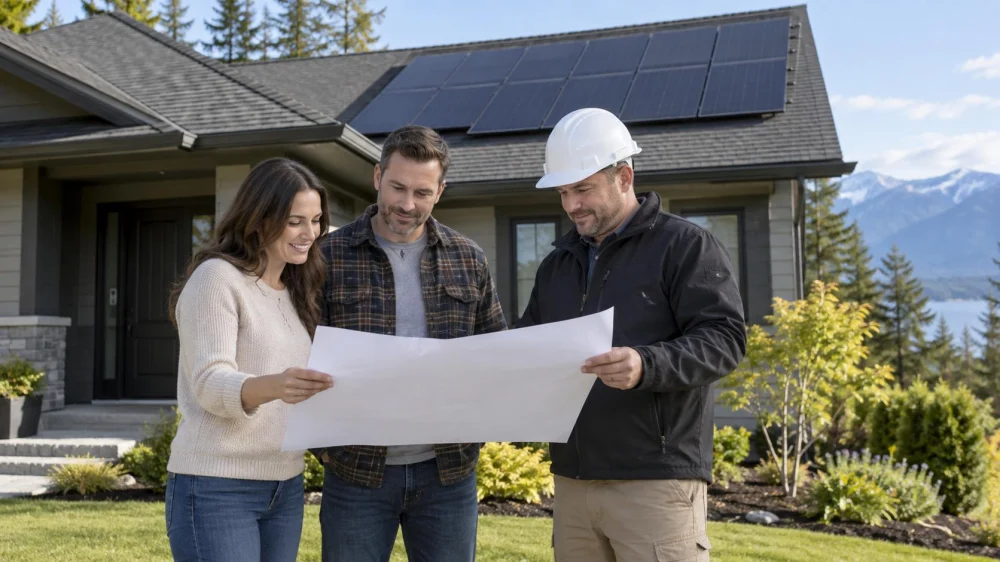
Solar Panels and Roofing: Scope, Flashing, and Warranties
On this page
Quick answer
Before installing rooftop solar, have qualified roofing and solar professionals assess roof age, condition, structure, drainage, ventilation, access, and remaining warranty. Define who designs, permits, installs, flashes, inspects, and repairs every attachment. Put roof and solar warranties, leak responsibility, panel removal and reinstallation, emergency access, and future reroofing costs in writing, then preserve photos and inspection records.
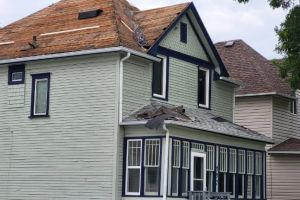
XACT Roof & Renovation Ltd. / xact roofing
227 Regent Ave W, Winnipeg, MB R2C 1R3, Canada
Assess the roof first
A solar array can outlast an older roof covering. Ask a roofer to estimate remaining service life and identify active leaks, soft decking, damaged flashings, inadequate drainage, structural concerns, and previous repairs. If reroofing is likely soon, compare doing it before installation with the cost and risk of removing panels later.
Do not diagnose by climbing. Use qualified inspectors and safe access methods.
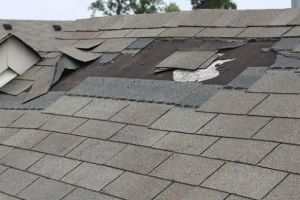
Best Roofer & Renovation / best roofing toronto
2967 Dundas St W #1584, Toronto, ON M6P 1Z2, Canada
Define contractor roles
Confirm the legal names, licences, insurance, workers' compensation, and subcontractors for both trades. Identify one accountable contact for roof penetrations, flashing, waterproofing, electrical routing, attic work, and post-installation leaks. A vague promise that “the other contractor handles it” is a warning sign.
Coordinate design
- Attachment locations and structural review
- Flashing system compatible with the roof material
- Water flow, valleys, gutters, snow, and ice movement
- Setbacks, fire access, maintenance paths, and roof edges
- Ventilation, skylights, chimneys, plumbing vents, and rooftop equipment
- Cable, conduit, inverter, disconnect, and penetration routes
Local codes, utility requirements, and manufacturer instructions control the final design. Avoid field improvisation.
Write the scope
Include drawings, products, attachment and flashing details, permits, inspections, schedule, weather protection, cleanup, payment milestones, and change-order rules. State what happens if hidden damage is found and who pays for temporary removal, roof repair, and reinstallation.
Ask both roof and solar warranty issuers how the work affects existing coverage and what approved products, installers, notices, or inspections are required. Get answers in writing before work.
Inspect and document
Photograph the roof, attic, penetrations, and flashings before, during, and after installation from safe locations. Obtain permit closeout, electrical and building inspection records, equipment serials, warranties, monitoring setup, roof inspection, and lien releases where applicable. Test monitoring and review shutdown instructions.
After the first heavy weather, check interior and attic areas for new moisture from a safe location and report changes promptly.
Plan future work
Keep a diagram showing attachments, cable routes, disconnects, and roof access. Establish who may remove panels, how they will be stored, what reroofing interface details apply, and how warranty coverage continues. Do not let an unapproved roofer or electrician disconnect or move equipment.
Frequently asked questions
Should an old roof be replaced first?
Compare professional condition findings, remaining life, warranty, and future panel-removal cost.
Who is responsible for a leak?
The contracts should allocate investigation and repair responsibility; causation may require joint assessment.
Can panels cover a roof valley?
Design must preserve drainage, access, and code clearances; qualified designers should decide.
Will solar void my roof warranty?
It can affect coverage. Ask the issuer in writing before installation.
Sources and notes
Natural Resources Canada recommends recognised best-practice guidance for rooftop photovoltaic installations. Canada's Office of Consumer Affairs advises comparing contractors and using a detailed written home-renovation contract defining products, responsibilities, permits, costs, and warranties.
Next steps
Obtain a roof assessment, compare roof and solar timelines, verify contractors, and require a coordinated design and written responsibility matrix. Confirm warranty impacts before signing and collect complete permit, inspection, product, photo, and shutdown records at closeout.

 J.R. Trory & Company Ltd3.0 (16 reviews)
 Heyes Roofing & Installations5.0 (8 reviews)
 Amex Quality Roofing in North Vancouver3.0 (33 reviews)
 Burrard Roofing & Drainage Inc4.0 (27 reviews)
 Penfolds Roofing4.0 (115 reviews)
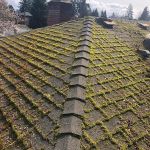 Vancouver Moss Removal0.0 (0 reviews)
 How Much Does a New Roof Cost in 2025? Canadian Roofing Price Guide
 Top Signs Your Roof Has a Leak and What to Do About It in Canada
 Can You Install a New Roof Over an Old One in Canada?
 The Top Questions to Ask Before Hiring a Roofer in Canada
 What Are the Most Common Roofing Scams and How to Avoid Them in Canada
 How to Prepare Your Home for a Roofing Project in Canada